Making Sense of the Mecca Agreement
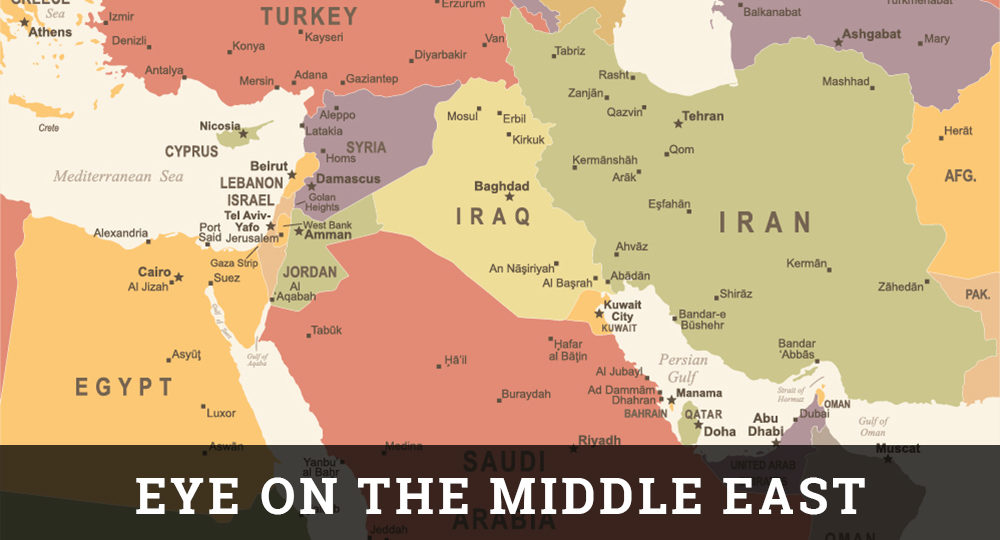
Saudi Arabia, Turkey, and Pakistan recently signed the Mecca Joint Defense Agreement, a historic trilateral collective security pact that brings together some of the most powerful states in the Sunni Muslim world. The stated purpose of the agreement, which has been described as a “Sunni NATO,” is to strengthen “collective deterrence.” It features a NATO-like mutual defense clause that stipulates that “any armed attack against any one of the three states shall be regarded as an attack against them all.”
The agreement also aims to deepen military and intelligence cooperation, as well as defense industry collaboration. Saudi Arabia has the largest economy in the Middle East, Turkey maintains one of the largest militaries in the region, and Pakistan has nuclear weapons. If implemented, the alliance could reshape the regional balance of power.
The tripartite agreement has fueled speculation about its ultimate objective. Although the founding states insist the pact is not directed against any single country, many analysts believe it is a first step toward creating a Sunni Islamic bloc aimed at deterring threats from a Shiite Islamic bloc led by Iran. Turkey’s Foreign Minister Hakan Fidan said the defense agreement could be expanded to include other countries in the region, such as Egypt.
Some worry the Mecca Agreement is aimed at countering Israel. Just a day after the pact was signed, Pakistan’s Defense Minister Khawaja Asif said the Islamic world “must unite to confront the common threat posed by Israel.” He added, “Israel poses a threat to all of us. Islamic countries must adopt a coordinated approach to address this threat.” Turkish leaders have also intensified verbal attacks against Israel and vowed to reconquer Jerusalem for Islam. A senior Israeli official said the alliance “is directed against Israel.”
Still others believe the joint defense agreement is a hedge against a reduced American presence in the Middle East. Middle East expert Steven Cook worries the defense pact is a reaction to the erosion of U.S. influence in the Middle East and an attempt to shape an alternative security order. He predicts the Middle East will eventually split into two blocs: one comprised of countries committed to the Abraham Accords and the other made up of those devoted to its alternative, the Mecca Agreement. “This is a major change, and it is hard to overstate its significance,” he wrote.
Dov Zakheim, a former Pentagon official, warns the agreement portends a potential nuclear arms race: “Should the U.S. significantly downsize its forces in the region, and were Iran to produce a nuclear weapon, Islamabad [Pakistan] would spare no effort to enable its new partners to develop their own nuclear arsenals.”
For now, the agreement appears to concern politics and diplomacy more than the creation of a real military alliance. Analyst Lazar Berman believes the three Sunni powers “are not about to go to war for each other, and they know it.” He speculates that Turkey is using the agreement to demonstrate it is a regional power, Pakistan is trying to strengthen itself against India, and Saudi Arabia wants to show that it can create a security architecture independent of the United States.
Even if the Mecca Agreement is mostly symbolic for now, Jonathan Spyer warns it would be a mistake to underestimate its potential future threat. “Israel should be watching the slow crystallization of this bloc carefully,” he advised. “Jerusalem, and Islamic claims there, are likely to form the symbolic element that knits the emergent group together. Symbols, and especially Jerusalem, often end up acquiring practical political and sometimes military form.”